About
At Akresha Carpets, every rug begins with a story of craftsmanship, patience, and passion.
Rooted in India’s rich weaving heritage, we work closely with skilled artisans who transform fine materials into timeless rugs.
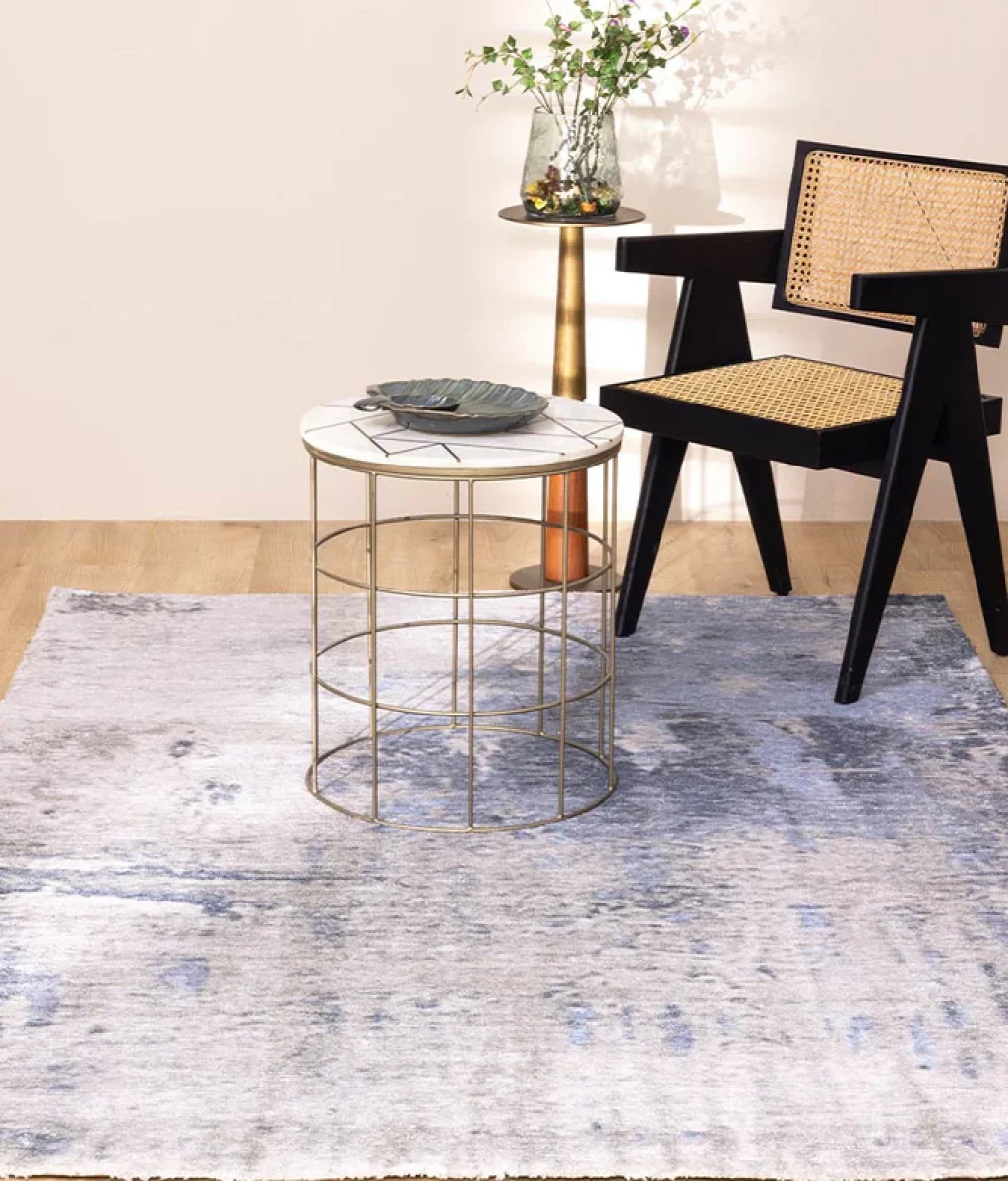
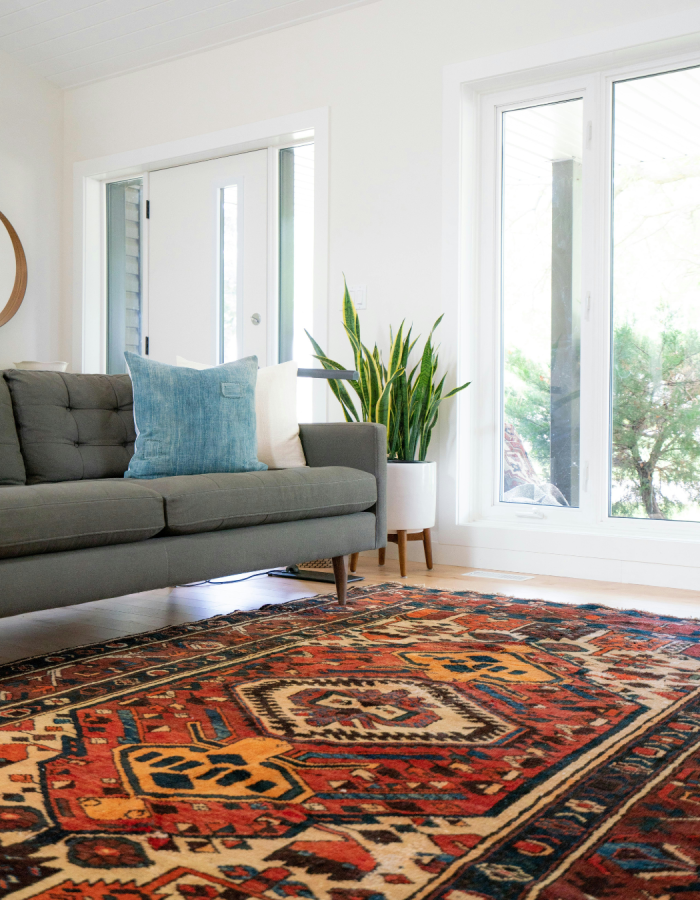
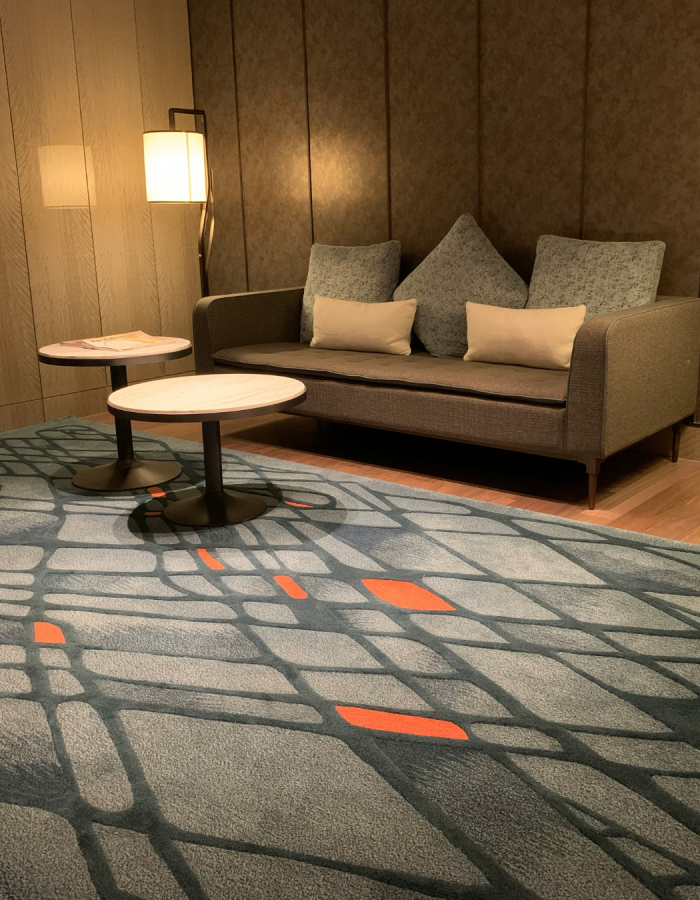
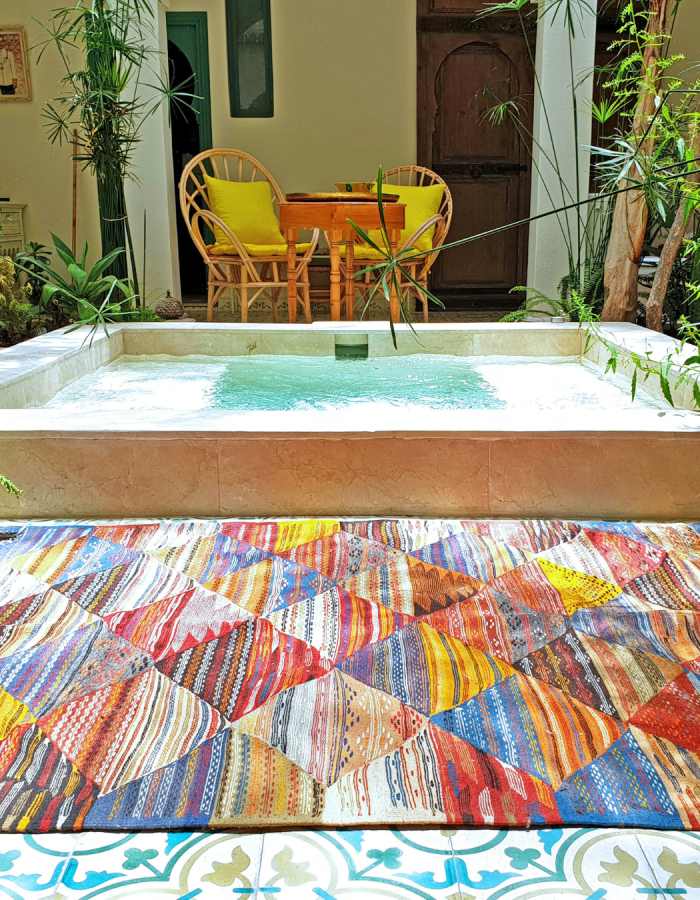
From hand-tufted to custom-designed pieces, each carpet is carefully crafted to bring warmth, elegance, and character to your space.
We believe a rug is not just a product — it’s an experience that connects tradition with modern living.
we collaborate with professionals that build great relationships with clients
Impressive Category
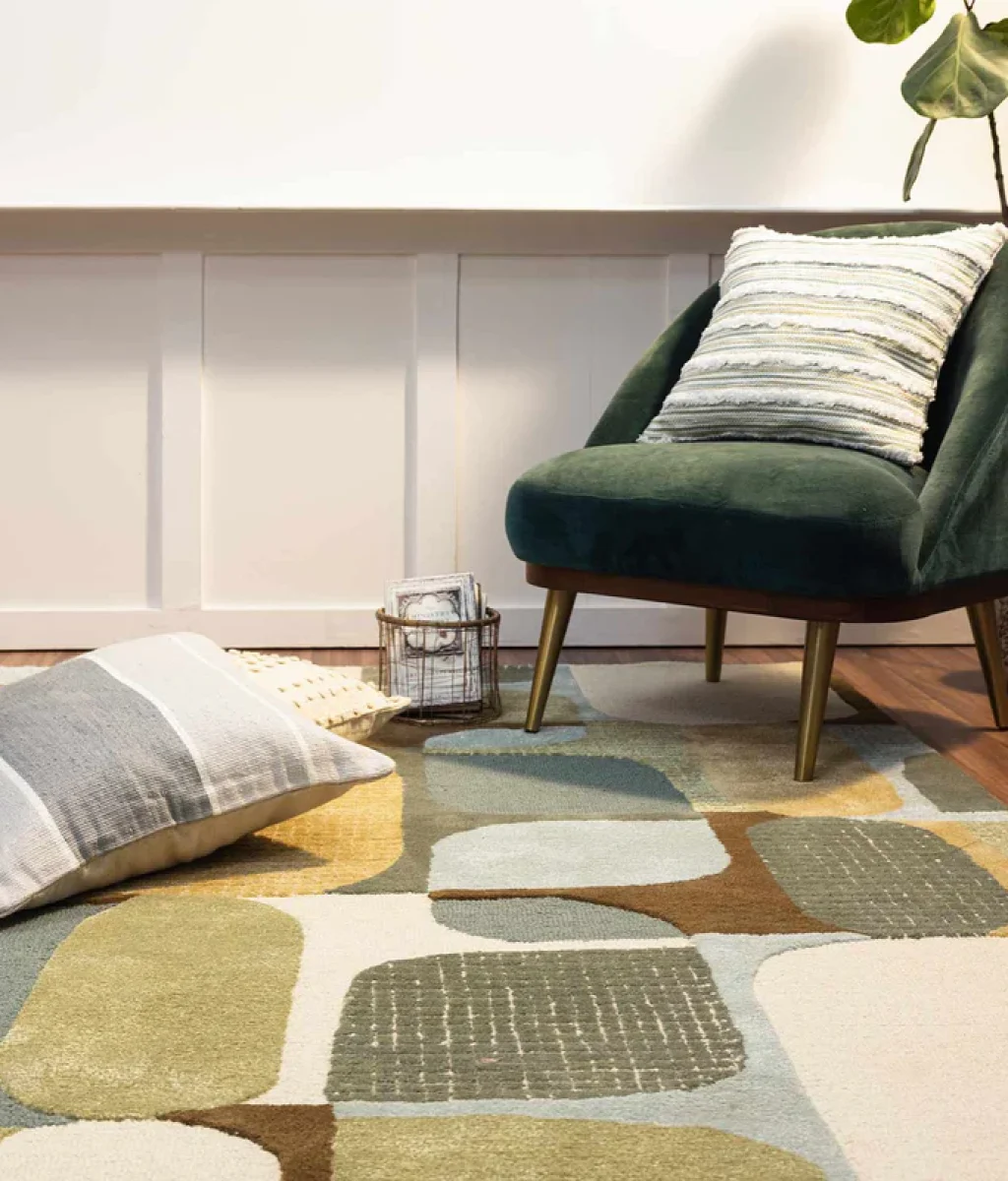
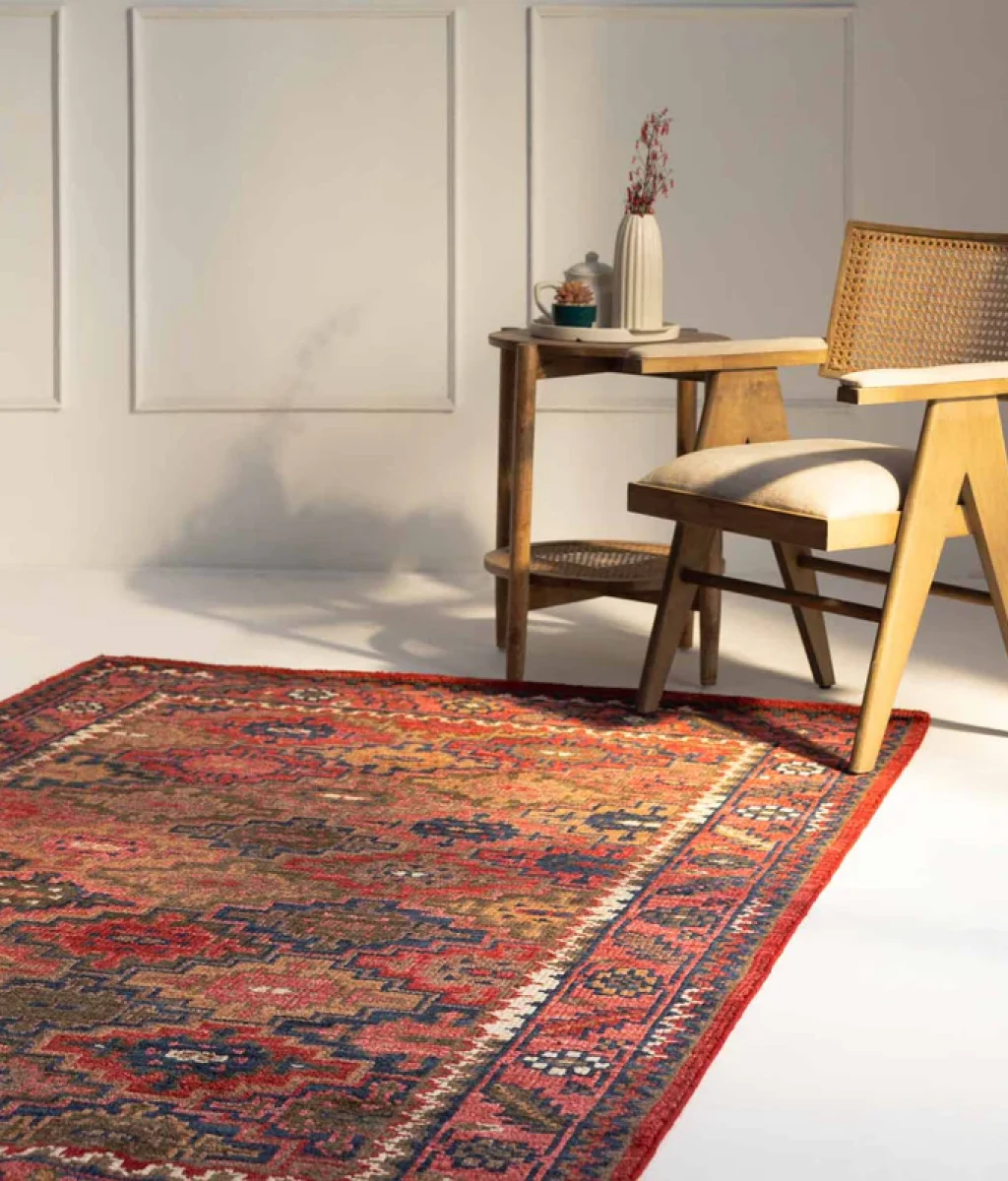
We are Manufacturers and Exporters of Hand Tufted, Hand Knotted, Hand Loom, Flatweave, etc.
Our Collection
Our Rugs Process
2
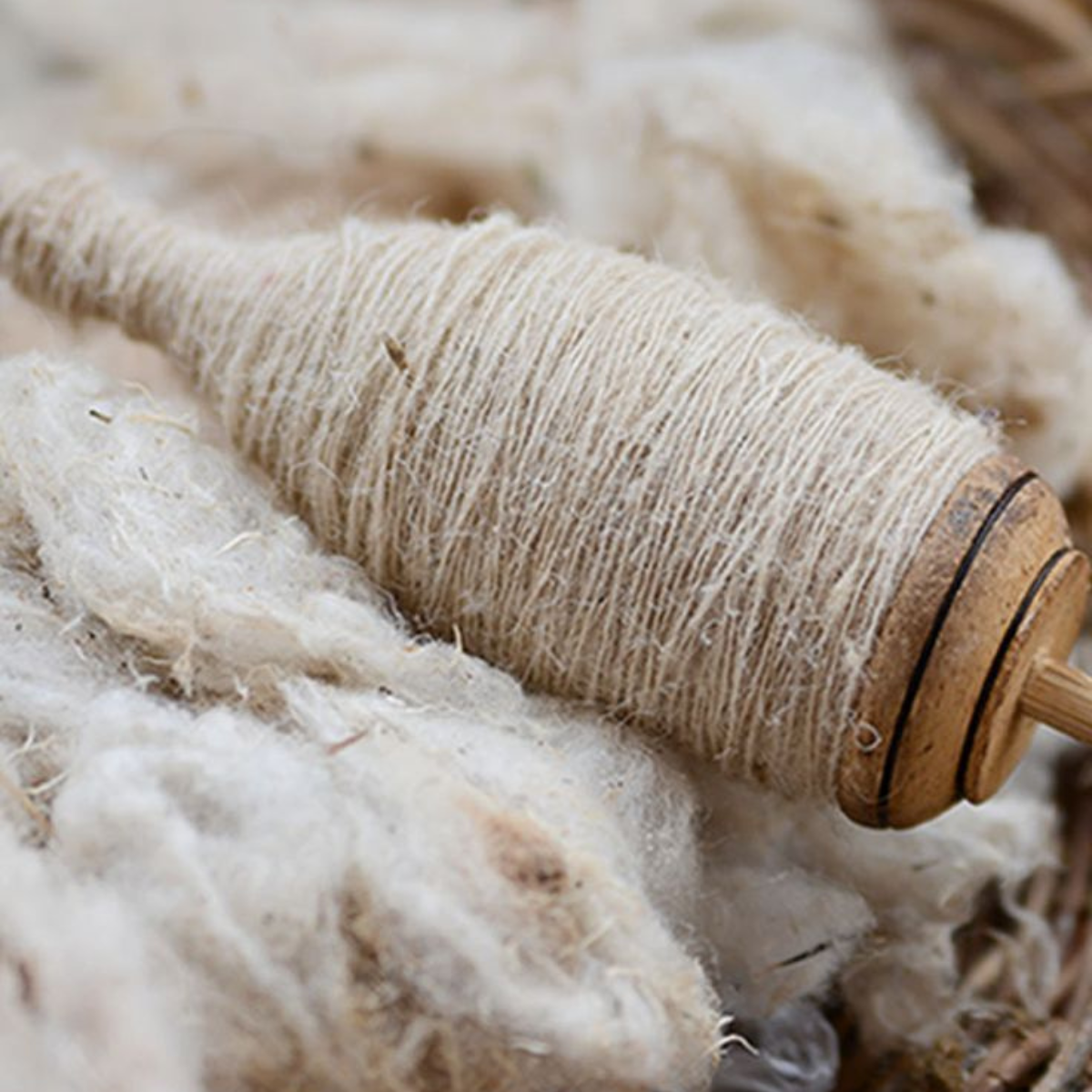
Spinning Spinning is the process of converting cleaned wool or fibers into yarn used for making rugs. The fibers are drawn out and twisted together to form strong and continuous threads. This process can be done by hand or using machines, depending on the scale of production. Proper spinning ensures the yarn is even, durable, and suitable for weaving high-quality rugs.
3
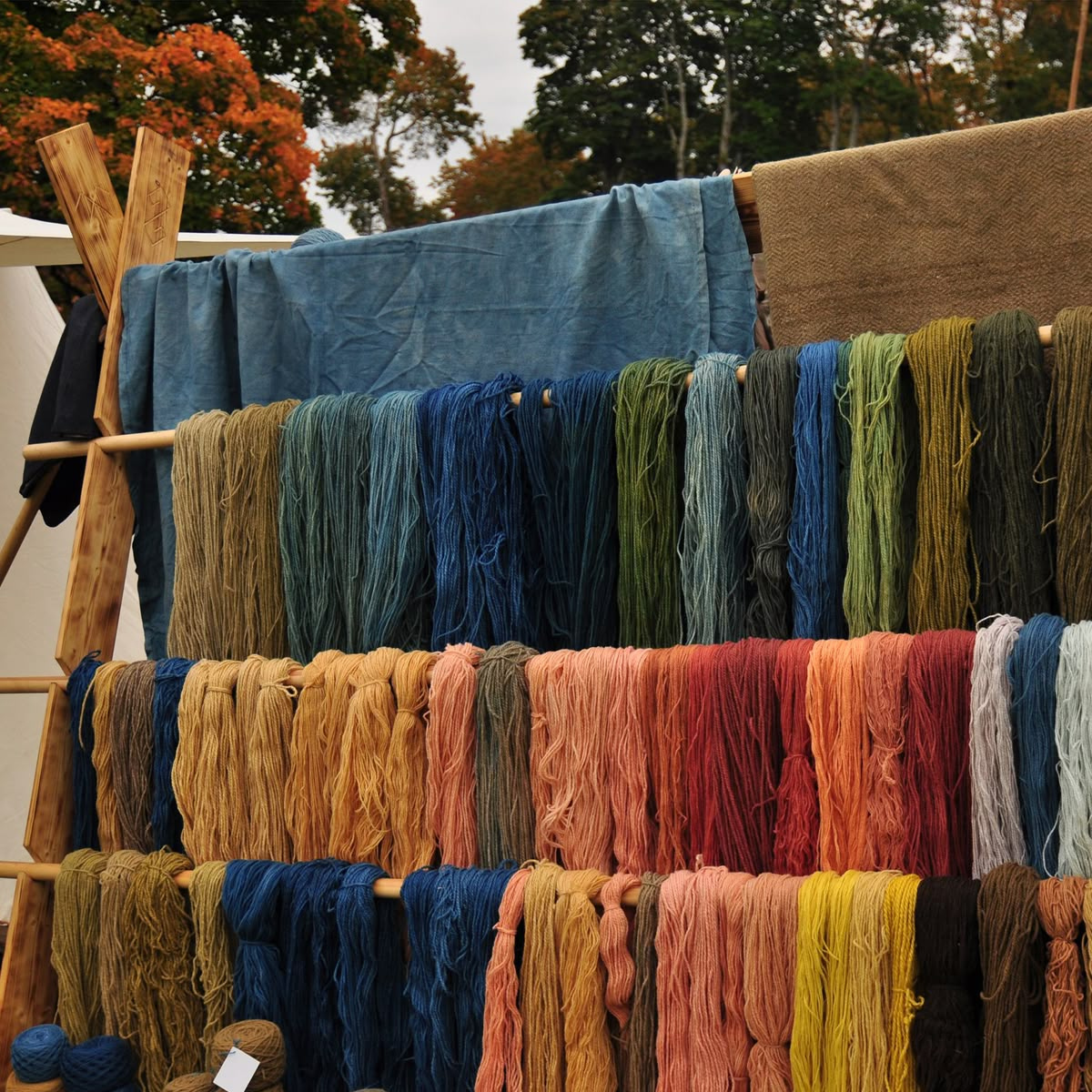
Dyeing Dyeing is the process of adding color to yarn used in making rugs. The yarn is dipped into natural or synthetic dyes to achieve the desired shades and patterns. It is then carefully washed to remove excess dye and ensure the color stays long-lasting. After dyeing, the yarn is dried properly before being used in weaving, which helps create vibrant and attractive rugs.
4
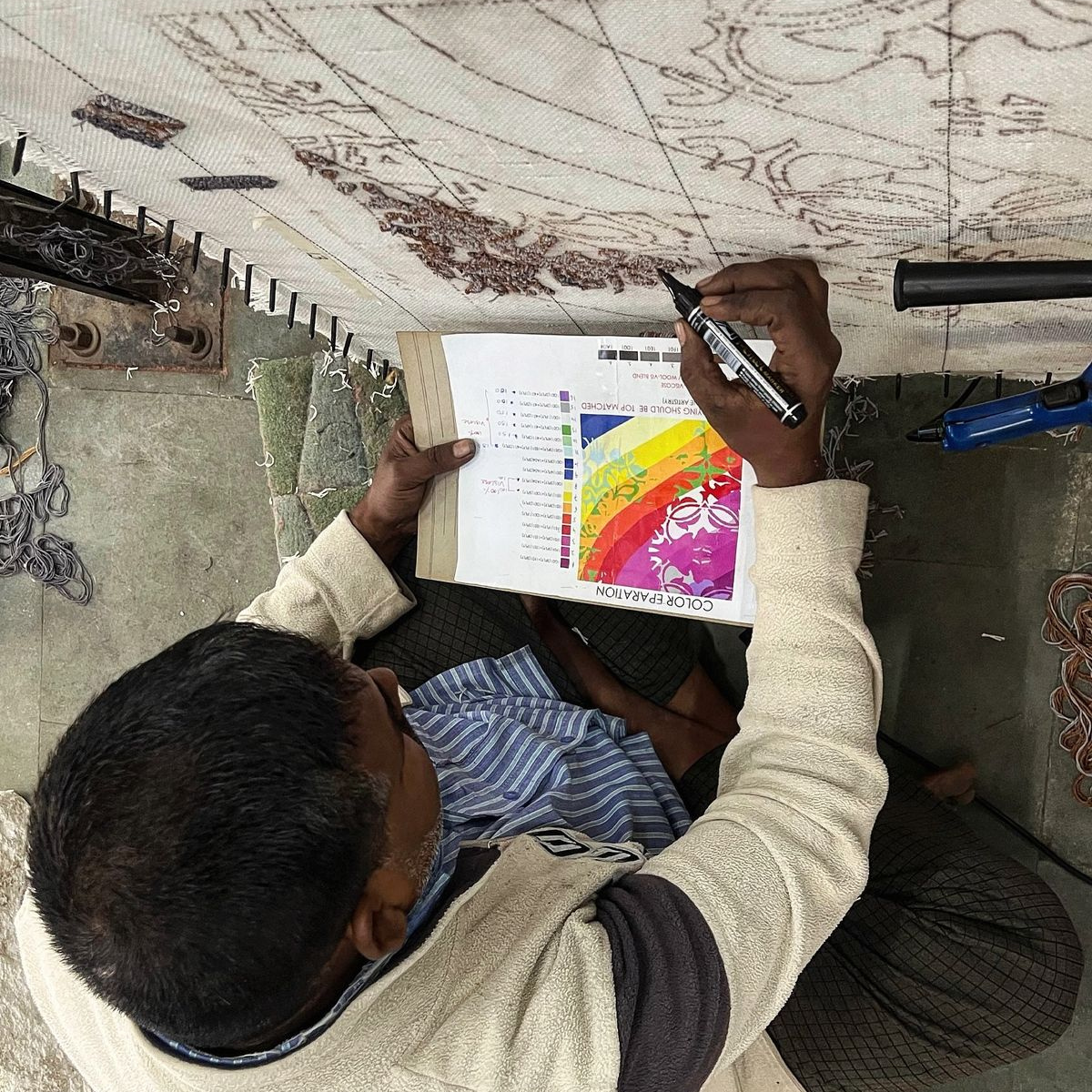
Designing Designing is the process of creating patterns and layouts for rugs. It involves selecting colors, shapes, and motifs to produce attractive and unique designs. Designers often draw inspiration from traditional art, culture, and modern trends. A well-planned design helps guide the weaving process and ensures the final rug looks beautiful and balanced.
5
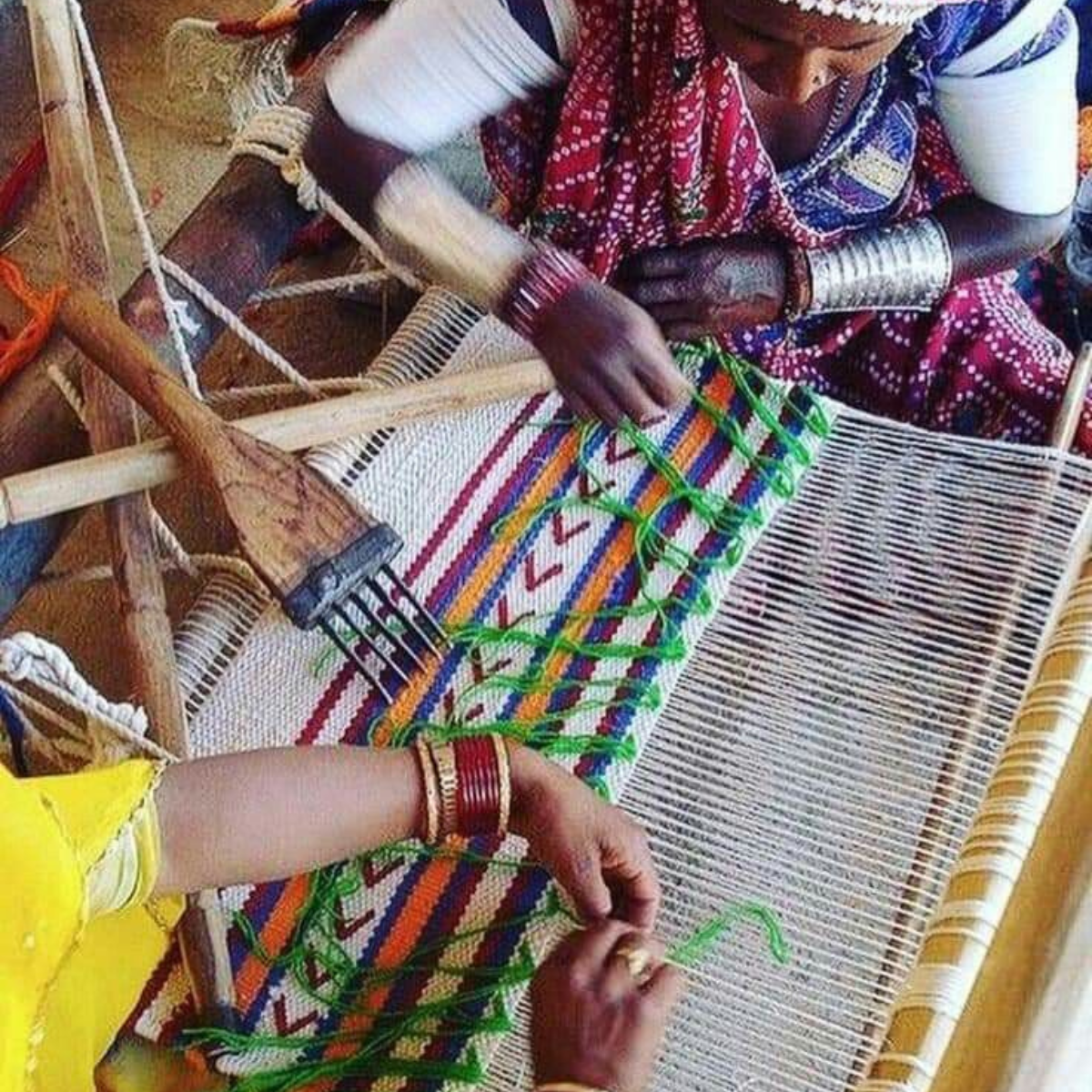
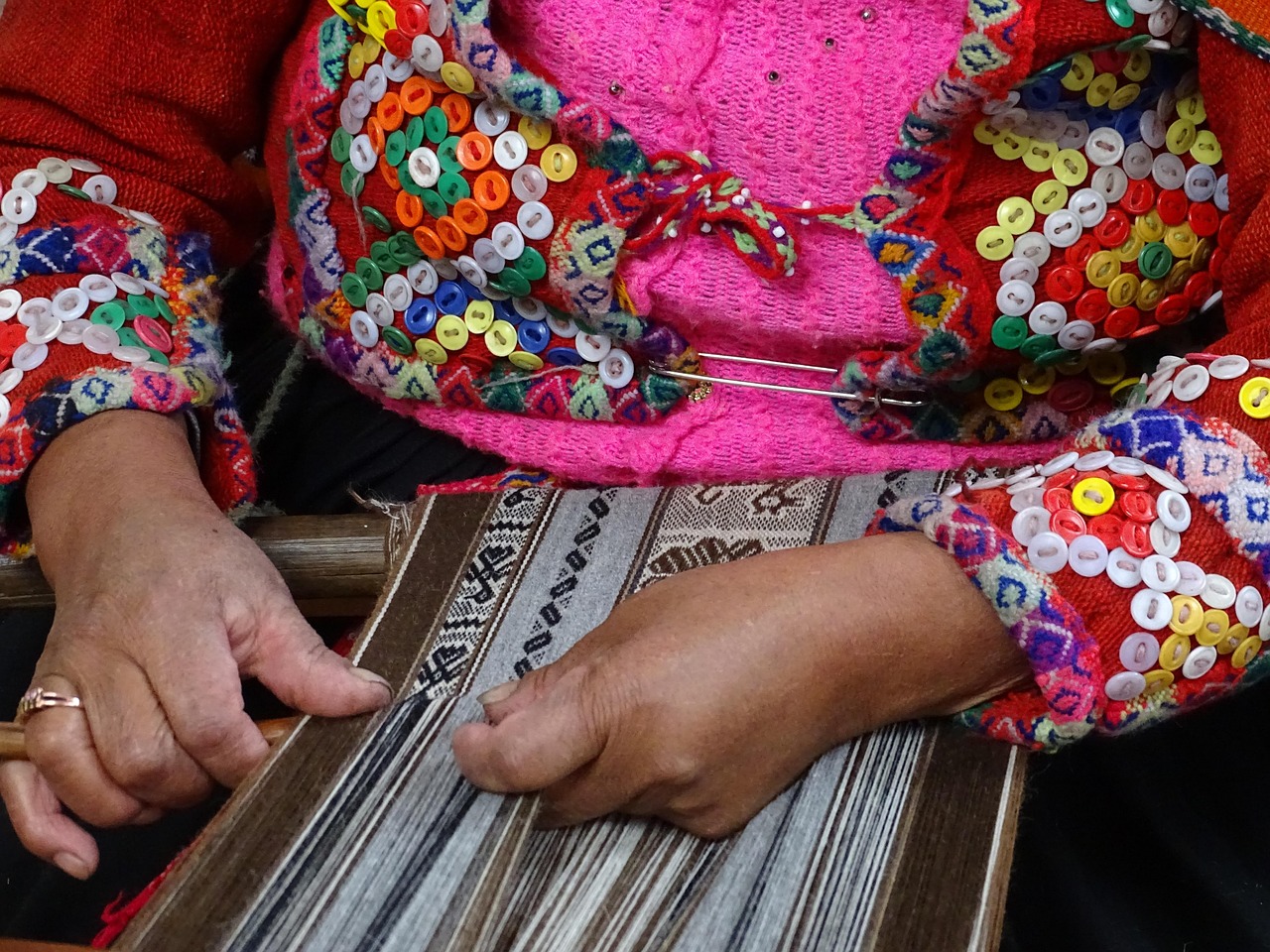
Weaving Weaving is the process of making rugs by interlacing yarns together. In this process, vertical threads (warp) and horizontal threads (weft) are woven on a loom to create a strong fabric. Skilled weavers carefully follow the design to form patterns and textures in the rug. Proper weaving ensures the rug is durable, well-structured, and visually appealing.
6
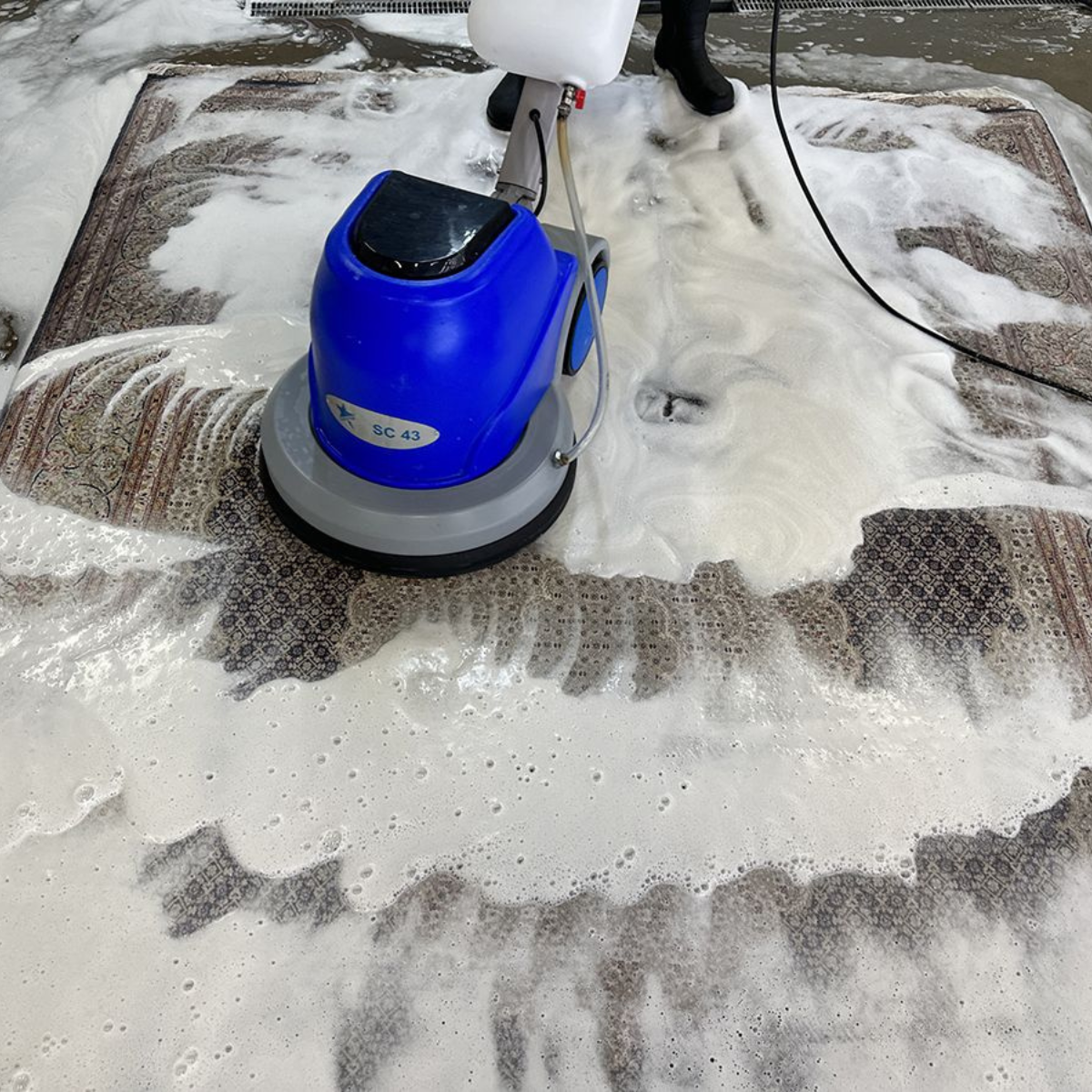
Washing Washing is the process of cleaning rugs after weaving to remove dust, dirt, and excess dye. The rug is carefully washed using water and mild cleaning agents to protect its fibers and colors. This step helps to enhance the softness and brightness of the rug. After washing, the rug is dried properly to maintain its shape and quality.
7
Stretching Stretching is the process of shaping and leveling rugs after washing. The rug is pulled gently to ensure it maintains its proper size and shape. This helps prevent wrinkles, uneven edges, and shrinking. Proper stretching ensures the rug looks neat, flat, and ready for use or display.
8
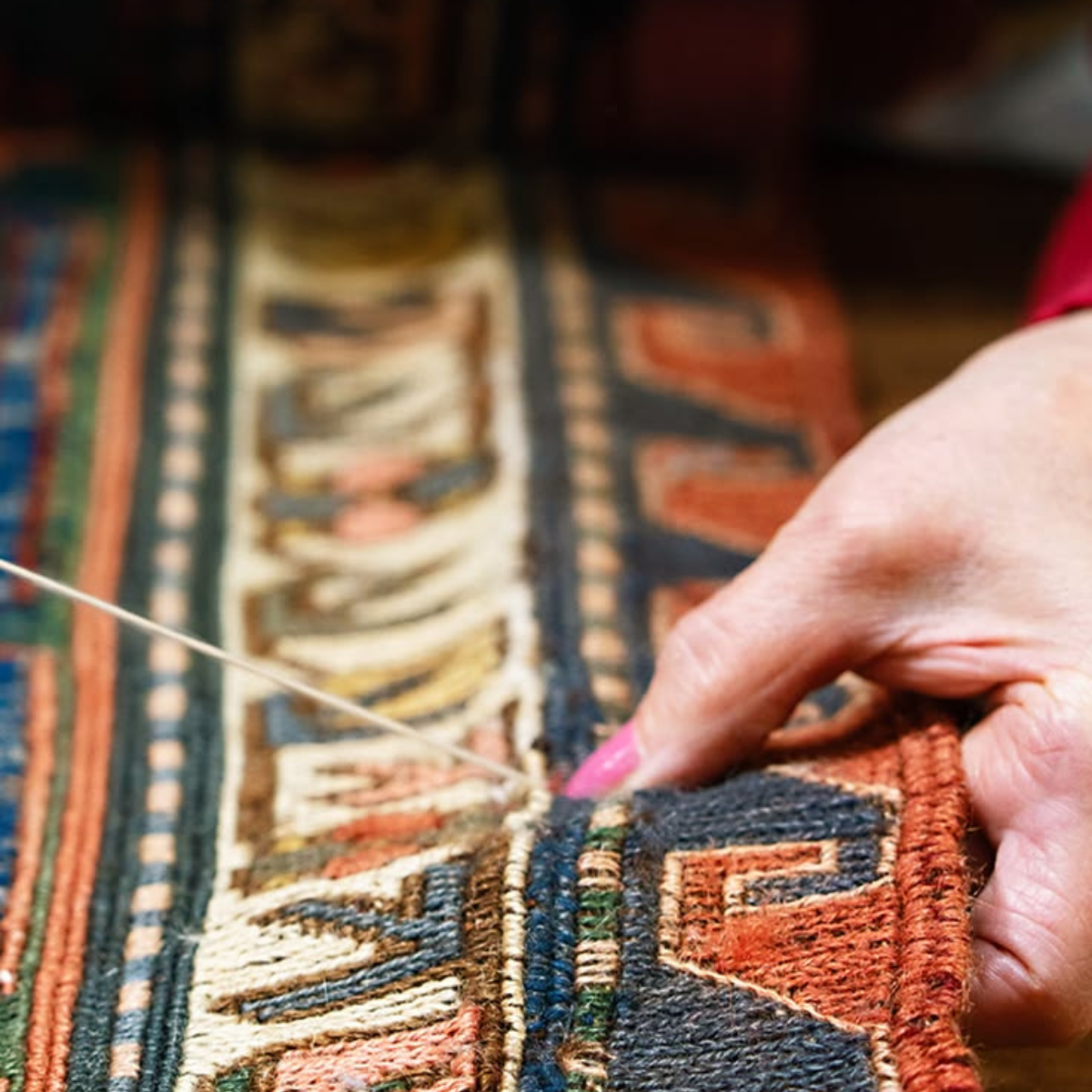
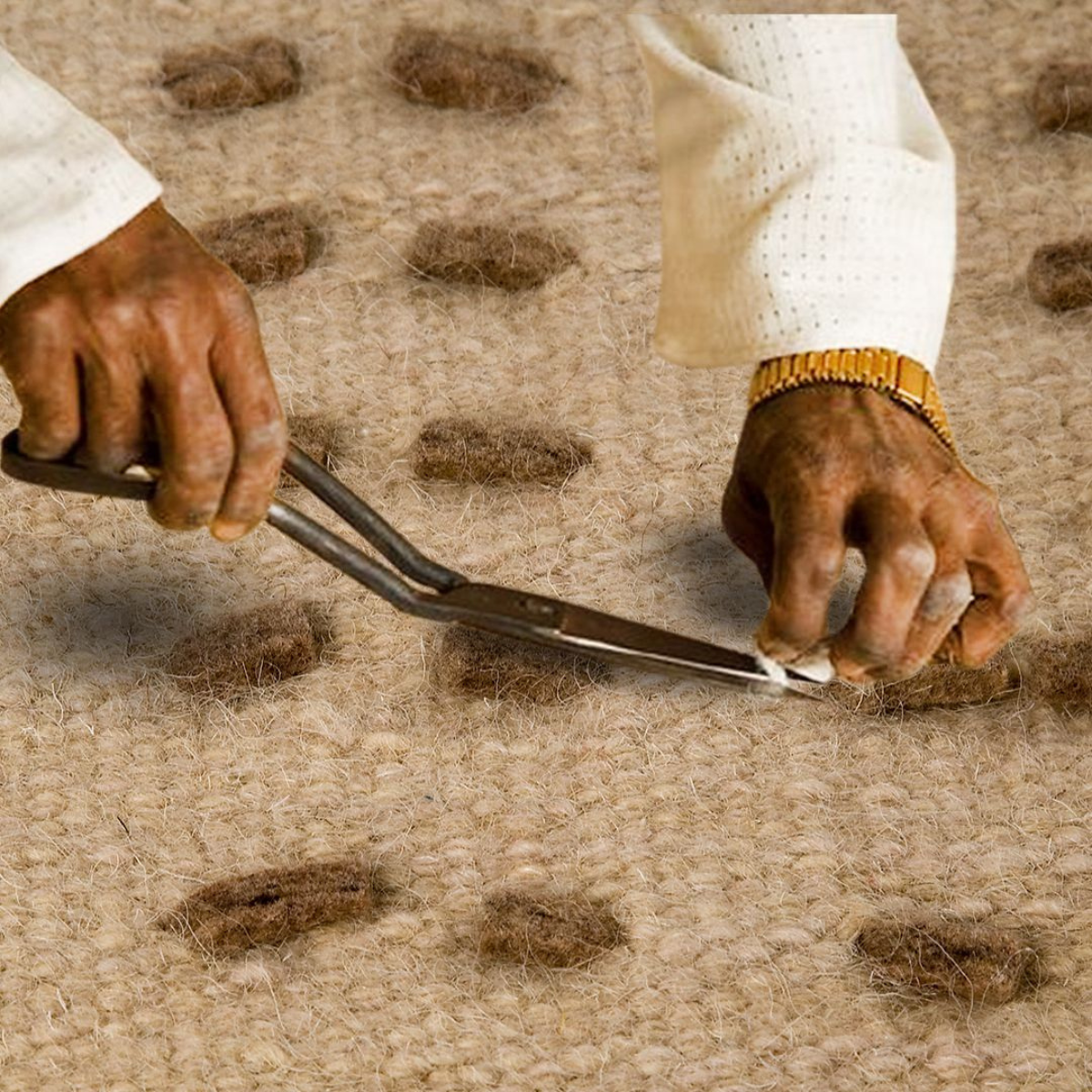
Clipping Clipping is the process of trimming the surface fibers of a rug to make it even and smooth. After weaving, the yarn may have uneven lengths, so careful clipping gives the rug a uniform look and soft texture. This step enhances the appearance and feel of the rug, making it ready for finishing and use.
Let customers speak for us
Why Shop With Us
- Free Shipping
- Easy Returns
- 100% Secure Payment
- Customer Support
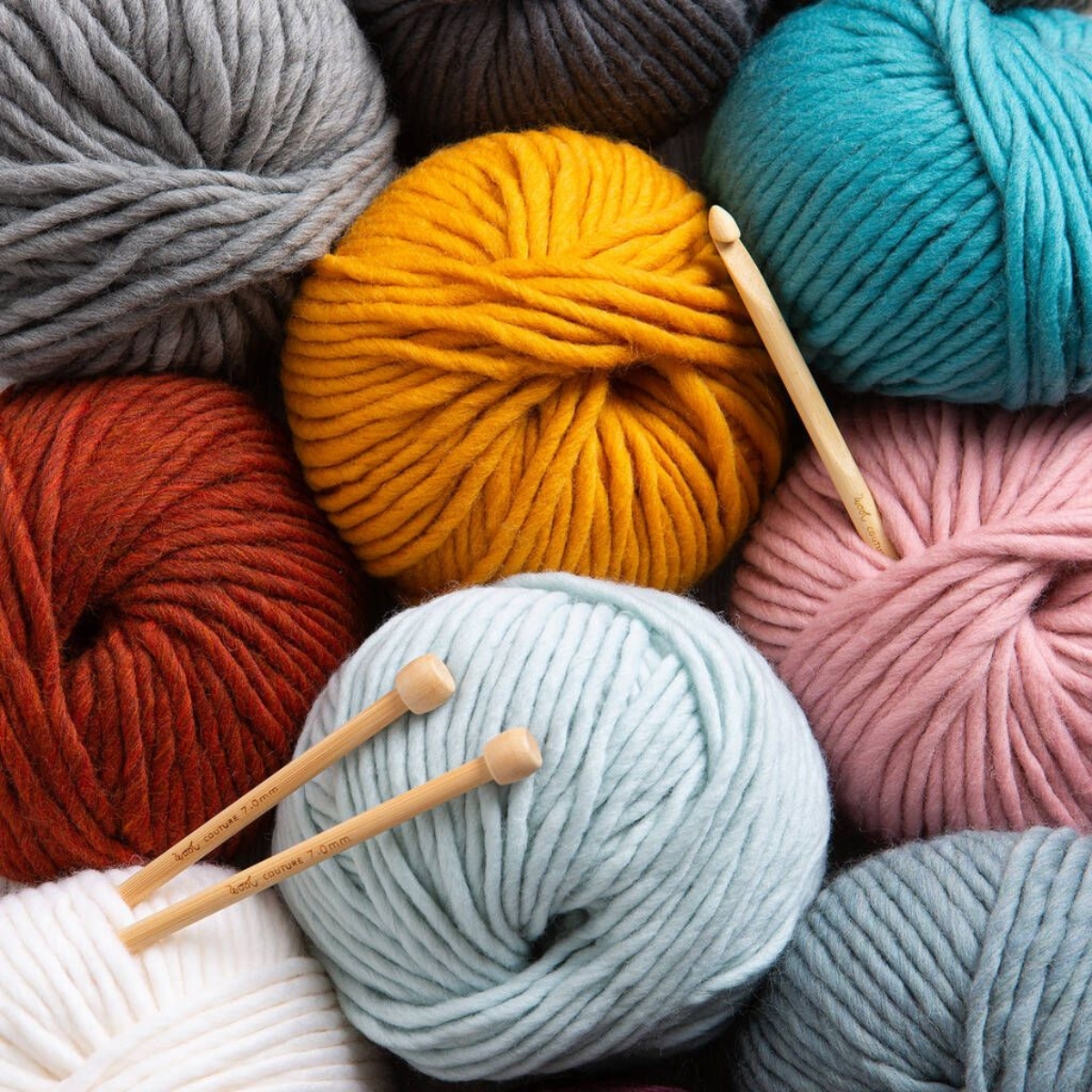
1
Yarn Yarn is made from natural or synthetic fibers and is used in weaving and knitting fabrics. The raw fibers are first cleaned to remove dust and impurities, then spun into long, continuous threads. These threads are strengthened and wound into balls or cones for easy use. Yarn is an important material in the textile industry and is widely used to make clothes, carpets, and other fabric products.